Top Tips for Sketching Queenstown’s Iconic Landscapes
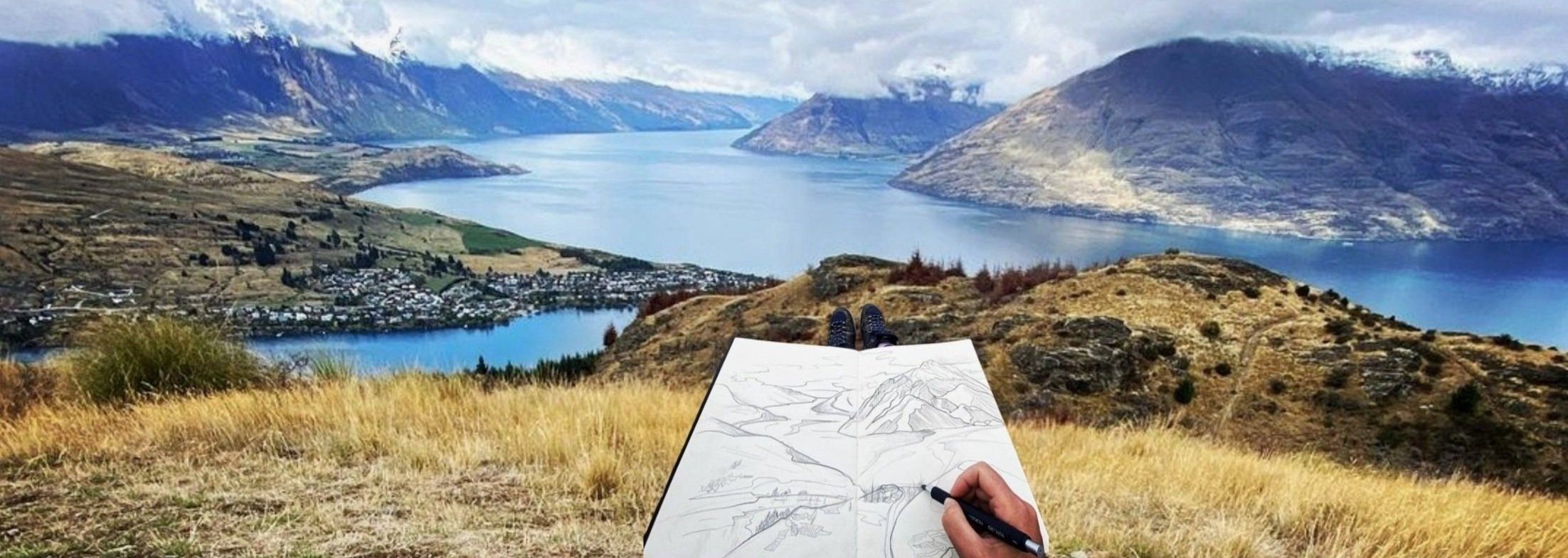
Queenstown’s landscapes are nothing short of breathtaking. Jagged peaks, glassy lakes, and golden valleys shift constantly with the light. It’s a paradise for artists, especially those who love to sketch outdoors. Whether you’re an experienced artist preparing for a Queenstown art holiday or a beginner curious about where to start, these tips will help you capture the spirit of the scenery with confidence.
1. Start with Simplicity
When sketching Queenstown landscapes, the scale and detail can feel overwhelming. The key is simplification. Look for strong shapes such as the sweep of a mountain ridge, the curve of a shoreline, the outline of a tree line. Avoid getting caught in the details. Focus on the bigger forms and let your lines hint at the rest.
Composition tip: Use natural elements like branches or rocks to frame your scene. A tilted horizon or off-centre focal point can add energy and movement.
2. Choose the Right Tools for Travel
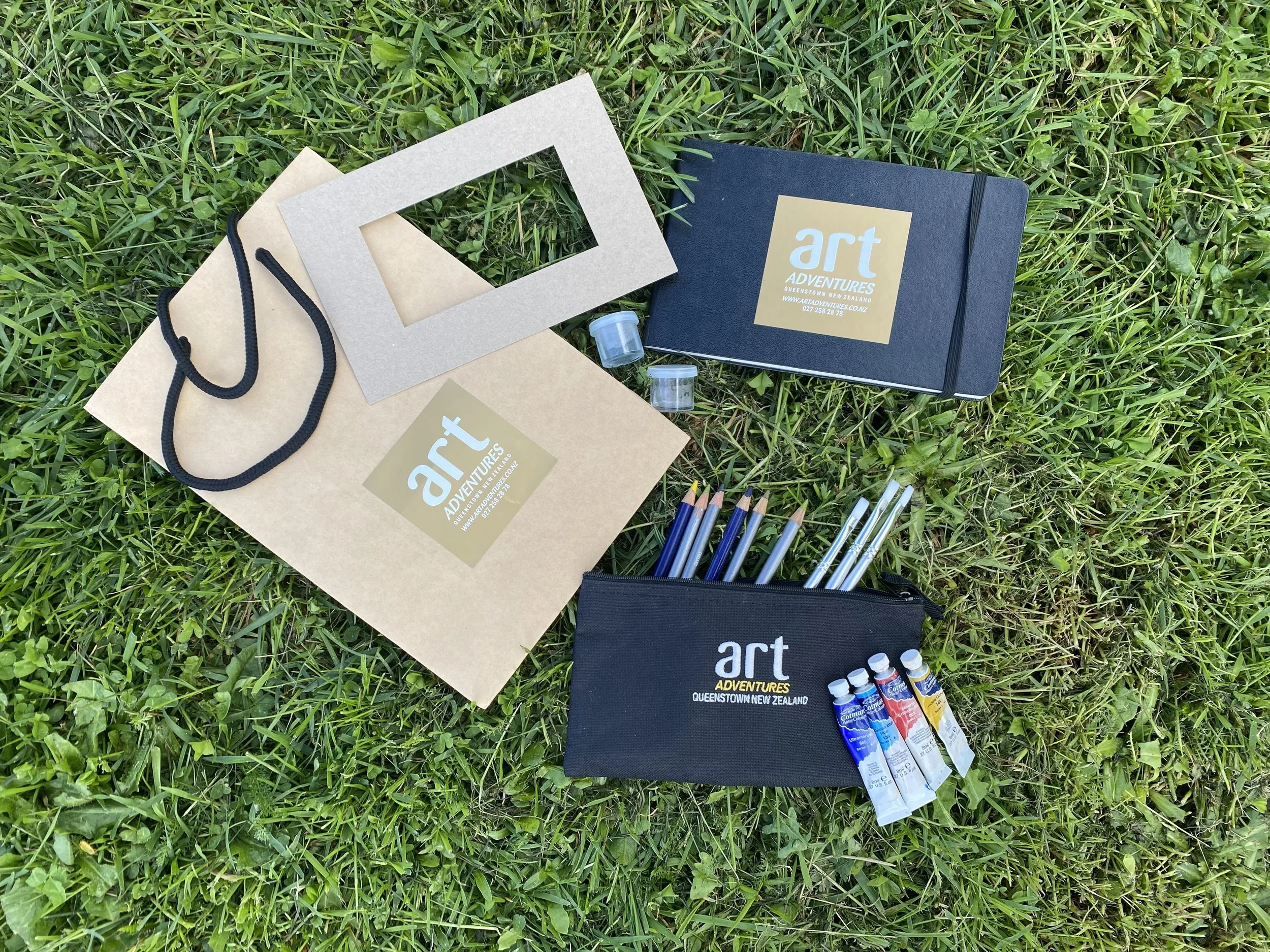
Outdoor sketching works best with a portable kit. This keeps you flexible whether you’re walking through Arrowtown or climbing up to Bob’s Cove. Suggested essentials:
A compact Moleskine or similar sketchbook (a watercolour version is ideal)
Waterproof fine liner pens
A pocket watercolour set or water brush
Pencils (HB or 2B are versatile choices)
A kneaded eraser and optional viewfinder
This lightweight setup supports both spontaneous and planned sketches without weighing you down.
3. Time Your Sketches with the Light
The best times of day for outdoor sketching are early morning and late afternoon. The light is softer, shadows are longer, and colours tend to glow. Midday sun can flatten a scene, although it’s great for high-contrast sketches in ink.
The light across The Remarkables can shift dramatically. One moment the peaks are sharp and defined, the next they melt into a haze of purples and greys. Even a few minutes can transform your subject.

4. Prepare for Changing Weather
Queenstown’s alpine weather is known for its sudden shifts. A still morning at Lake Wakatipu can turn cloudy in minutes. Rather than avoid the weather, let it become part of the creative process.
Keep a small rain shell in your bag. Clip your sketchbook to a board if the wind picks up. A simple waterproof pouch will protect your materials. Often, the most expressive sketches come from these moments of unpredictability.
5. Discover Queenstown’s Best Sketch Spots
Queenstown is full of inspiring places to sit, observe, and draw. Each location offers a different mood and visual language. Here are a few highlights:
Glenorchy: Rustic textures and mountain reflections.
Arrowtown: Quiet streets, heritage buildings, and seasonal colour.
The Remarkables: Clean, angular forms with strong contrast.
Bob’s Cove: Dense native bush and clear shoreline views.
Lake Wakatipu: Open vistas, cloud reflections, and changing light.
These are ideal for exploring different plein air sketching techniques and experimenting with composition.
6. Embrace Imperfection
Sketching is not about creating a flawless image. It’s about observing, interpreting, and expressing what you see and feel. Especially for those learning landscape drawing as beginners, this mindset is essential.
If a line wobbles or a mountain looks taller than it should, leave it. Let your sketch capture the energy and emotion of the moment. That’s what gives it life.
Ready to Sketch Queenstown for Yourself?
There’s something special about seeing a place through your own lines. If you’re inspired to begin, consider joining an Art Adventures sketching tour or booking a guided plein air session. All materials are provided. No experience is required, just curiosity and a love of the outdoors.